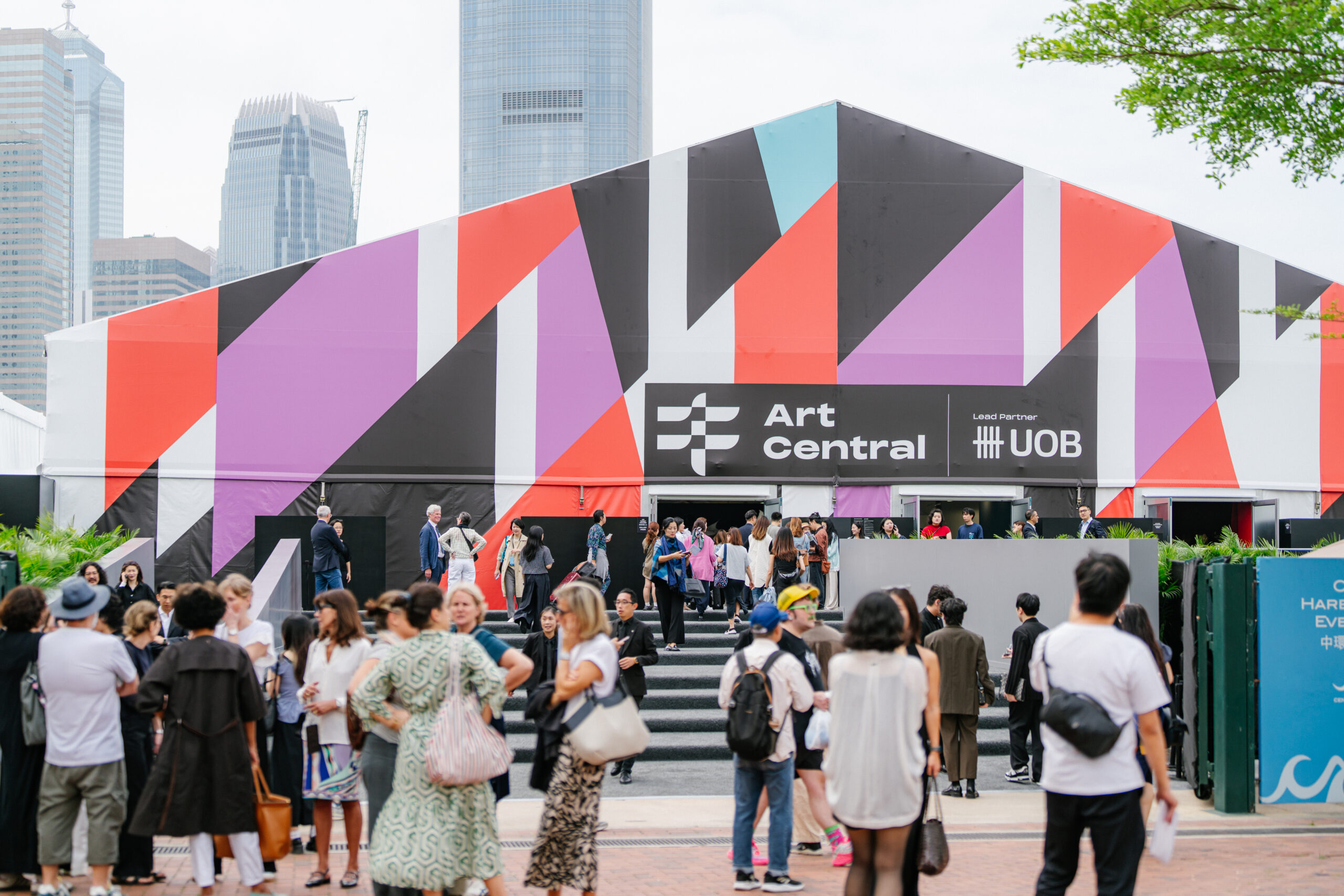

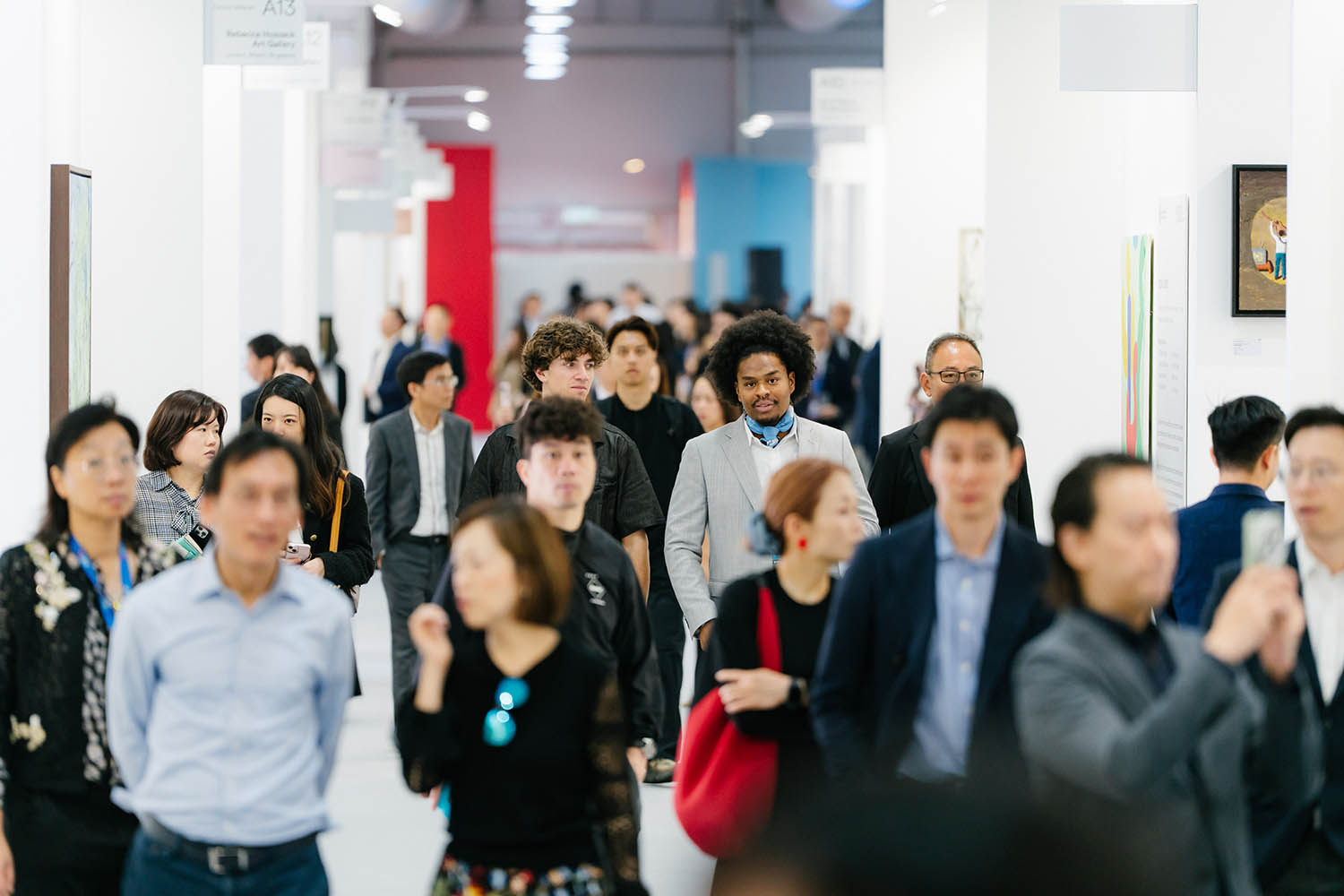
Arriving at Art Central 2026, set against the open stretch of the Central Harbourfront, there is an immediate sense of momentum. Not just from the scale of the fair, but from the way conversations, encounters, and discoveries unfold across the space.
Art Central has always been known as a place for discovery. This year, it feels more intentional. More focused. Less about spectacle, more about building something that lasts.
A Fair Shaped by Experience
Artitute had the opportunity to speak with two key figures behind the fair, Corey Andrew Barr and Enoch Cheng. Together, they form the core of what holds Art Central together today. Not just as organisers, but as people actively shaping its direction and its role within the region.
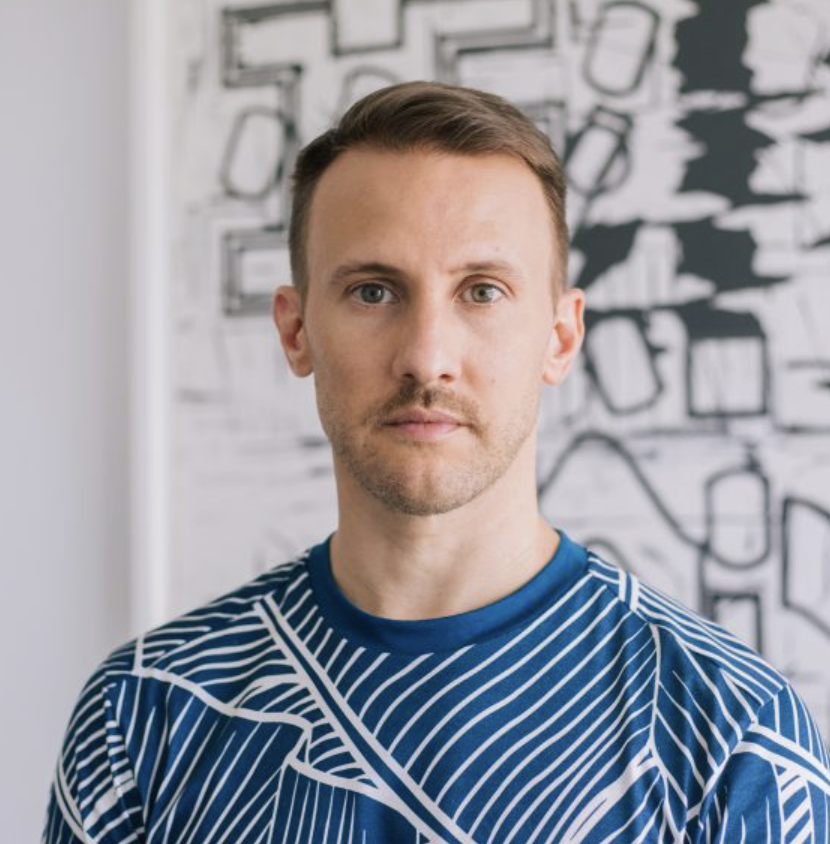
Corey Andrew Barr’s journey into this position is grounded in decades of experience. He began in New York over 20 years ago, working in contemporary art auctions within the secondary market. That early exposure led him into working directly with artists and organising exhibitions, eventually moving into a career as a gallerist. His relocation to Hong Kong over a decade ago placed him within a rapidly growing art scene, and years of participating in art fairs from the gallery side eventually led him to Art Central.
Now in his sixth edition as Fair Director, Barr has witnessed the fair through periods of uncertainty and growth. His role, as he describes it, has often been about providing stability while allowing the fair to evolve alongside the city and its audiences.
Q&A with Corey Andrew Barr
Artitute: You stepped into Art Central in 2019, taking over from the founding director, just before the pandemic. How was that experience for you?
Corey Andrew Barr:
Art Central was already a very strong fair when I came on board, with over 100 exhibitors. But the situation changed quite quickly with the pandemic. It created a lot of uncertainty globally, but it also gave us the opportunity to deepen our relationships with galleries and explore new ones.
Artitute: Did that period change how collectors engaged with art?
Corey Andrew Barr:
Yes, we saw a lot of interest from a new generation of collectors. People had more time to sit and think about what they were interested in, instead of just travelling and going from fair to fair. That allowed us to approach art with more context, and to think about the reasons behind collecting and supporting artists.
Artitute: What are some of the key highlights or sections visitors should look out for this year?
Corey Andrew Barr:
We have the Neo sector, which focuses on galleries joining for their first or second year, and artists who are new to Art Central. It’s about introducing new work and new voices. We also have Central Stage, where six artists have been invited for special presentations. And there are curated projects looking at how digital culture is influencing what artists are producing today.
Rethinking the Role of the Art Fair
In the years following 2019, Art Central reflects a broader shift in how audiences engage with art fairs. As the pace of the art world slowed, collectors began spending more time looking, questioning, and understanding works rather than moving quickly between fairs. This change has shaped the fair’s current direction, with a stronger emphasis on context, why a work matters, and how an artist’s practice connects to wider conversations. The Neo sector continues to reflect this evolution, bringing emerging galleries into dialogue with more established participants to encourage visibility, exchange, and a more layered viewing experience.
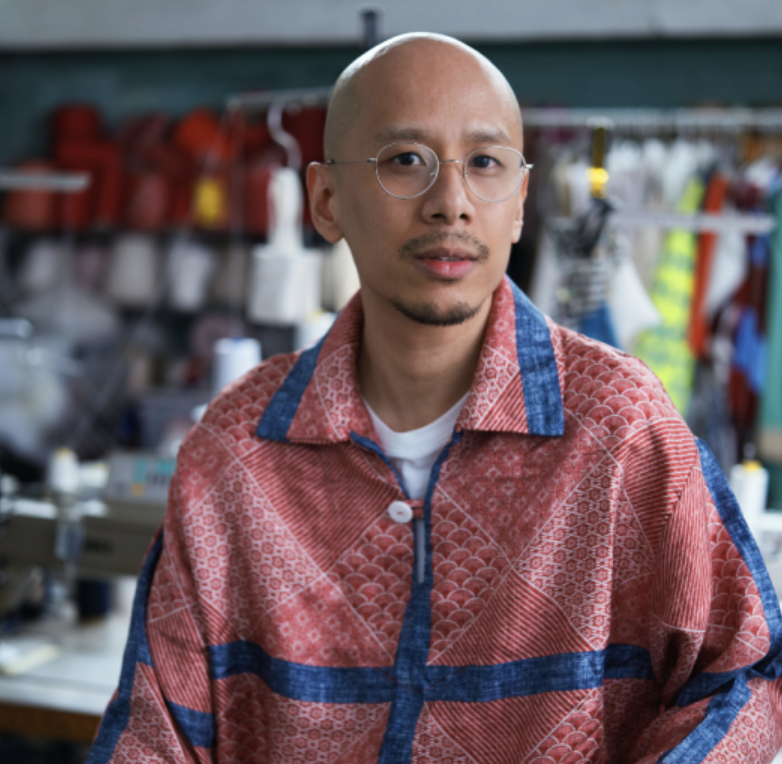
Q&A with Enoch Cheng
Artitute: How would you describe your curatorial direction for Art Central?
Enoch Cheng:
When people think about curating, they often think about a theme or authorship. But for me, it goes back to the idea of care. It’s about creating an ecology where artists and galleries can grow, connect, and sustain themselves within the art scene.
Artitute: How does Art Central support galleries and artists within this ecosystem?
Enoch Cheng:
We focus a lot on supporting small to mid sized galleries, as they are important to sustaining the system. For example, in the Neo sector, we don’t isolate new galleries. We place them alongside others so they have direct exposure. We also have platforms like the Yi Tai installation sector, where artists can experiment with larger scale works.
Artitute: What is the intention behind introducing platforms like Central Stage?
Enoch Cheng:
Central Stage is about recognising artists whose careers are already developing strongly on an international level, but who may not be as visible here. An art fair is a very concentrated moment, with a lot of attention over a few days. If artists are not seen, they might not enter the wider narrative. So we create that opportunity for them to be recognised.
Curating Through Care
For Enoch Cheng, curating is less about fixed themes and more about care, building an ecosystem where artists and galleries can grow, connect, and sustain their practices over time. This approach is reflected across Art Central’s structure, from the Neo sector’s integrated presentation of emerging galleries, to the Yi Tai installation platform that enables larger-scale experimentation. Central Stage further extends this framework by spotlighting internationally recognised artists within a focused fair setting, while continued support for small and mid-sized galleries ensures that risk-taking and experimentation remain active forces within the wider art ecosystem.
Spotlight: Orange Terry
One of the most talked about presentations this year comes from Orange Terry.
His practice draws from the everyday realities of Hong Kong. Repair culture, found materials, and improvised structures all play a role in his work. There is a sense of practicality in what he does, but also a quiet reflection on how people adapt to their environment.
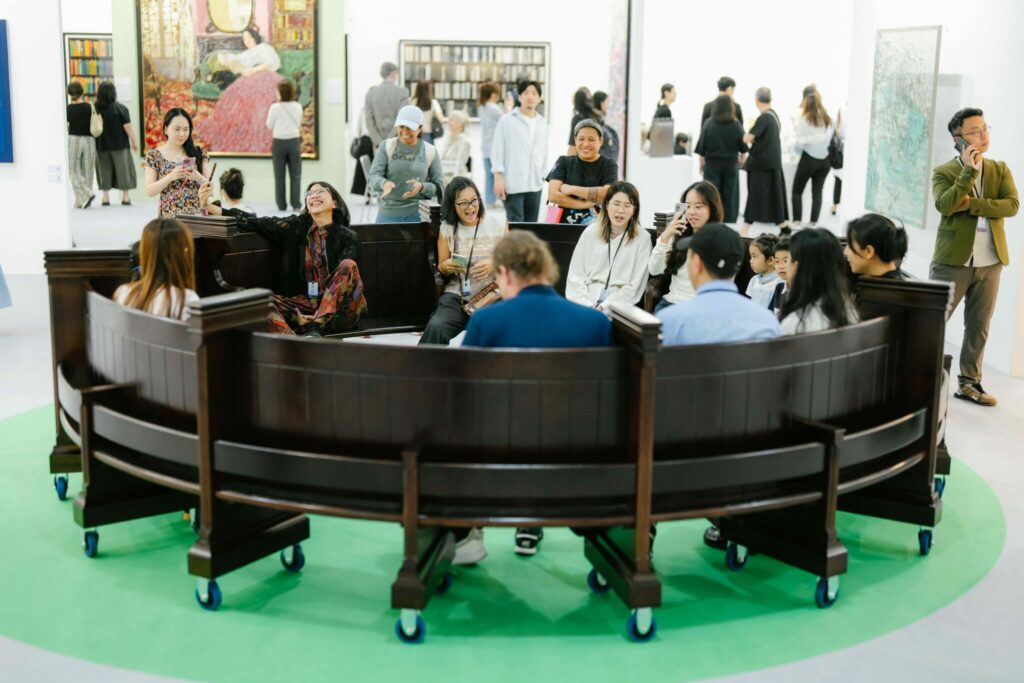
This year, his work Found Faith (2026) stands out for its unexpected familiarity. It brings to mind childhood moments spent on a merry go round, where movement, rhythm, and repetition created a simple kind of joy. Here, that memory is reworked through an unusual structure. Church pews are reconfigured into a circular, rotating form.
In doing so, the work removes the pew from its original function as a place of worship and collective gathering. Instead, it becomes something more introspective. Something slightly disorienting. Its deliberate lack of function opens up space for reflection, prompting viewers to think about how objects carry meaning, and how those meanings can change depending on context.
Cheng first encountered his work through informal networks before visiting his studio. Since then, their collaboration has developed over a few years, leading to this larger scale presentation at the fair.
Spotlight: Jeong-A Bang
Another highlight comes from Jeong-A Bang, whose works Oliver Stone’s Swimming (2024) and The Space Between Us (2025–26) offer a more introspective approach.
Her practice sits somewhere between memory and constructed narrative. There is a cinematic quality to her work, where fragments of images, gestures, and references come together without fully resolving into a single story.
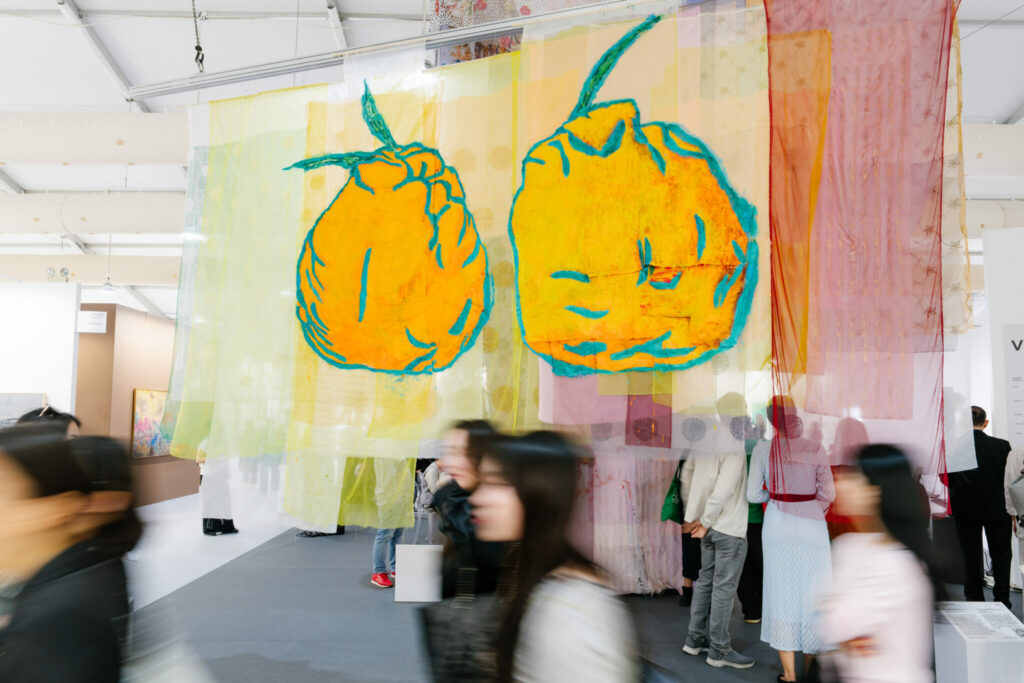
In Oliver Stone’s Swimming, there is a sense of tension beneath the surface. Familiar imagery is reworked in a way that feels slightly off, prompting viewers to reconsider what they are seeing. The Space Between Us extends this further, exploring distance, relationships, and the spaces that exist between people rather than the people themselves.
Her works do not demand immediate understanding. Instead, they invite viewers to spend time, to look again, and to sit with uncertainty.
Spotlight: Silvester Mok
Technology also finds its place within the fair through artists like Silvester Mok, whose work The Digital Fossiliser (2026) reflects on the increasing accessibility of digital tools.
At first glance, the work carries a sense of familiarity. It recalls a school lab environment, where objects are examined, tested, and preserved. There is a quiet, almost clinical quality to it.
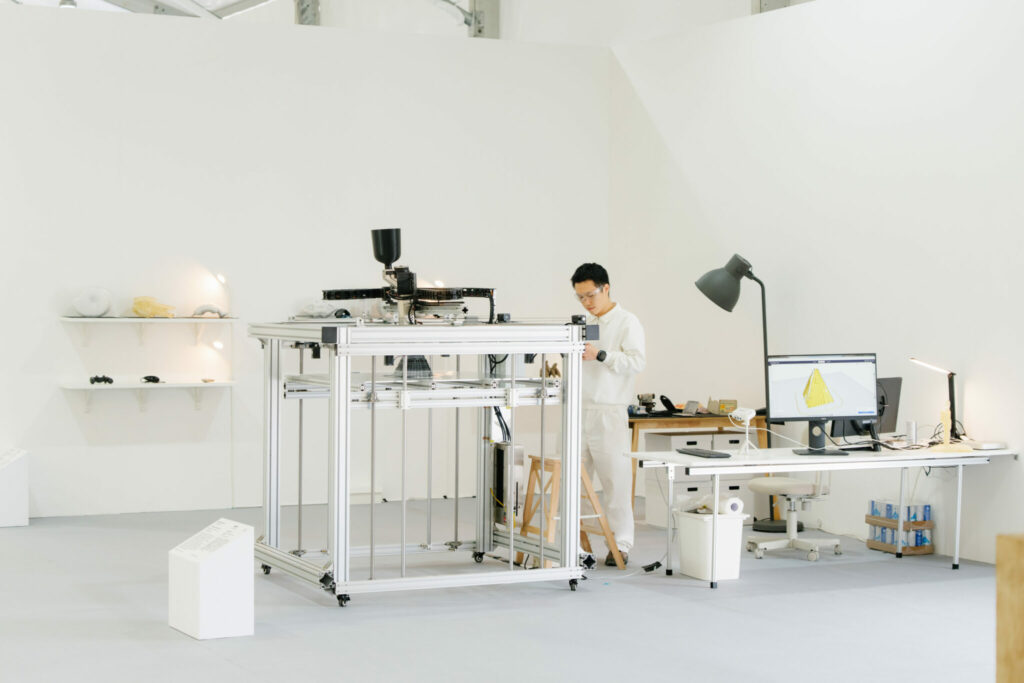
3D printing, once seen as specialised or experimental, is now becoming more accessible and increasingly part of everyday artistic practice. Mok’s work captures this moment where digital processes are being translated into physical form.
The idea of “fossilising” something digital raises questions about permanence and value. What does it mean to preserve something that originally existed in a virtual space? And how does that change the way we understand material?
As these tools become more widely available, they are likely to become part of many artists’ processes. This work feels like a marker of that moment.
Spending Time with the Fair
One of the most practical pieces of advice from Cheng is also the simplest.
Take your time.
Art Central is not a fair that needs to be rushed. It is a space where conversations happen naturally, where unexpected discoveries emerge, and where spending time often leads to a deeper understanding of what is being presented.
It is just as much about sitting down, having a drink, and talking to people as it is about viewing artworks.
Looking Ahead
Art Central continues to play an important role within Hong Kong’s art landscape. It provides a platform not just for visibility, but for development.
Artists are given room to experiment. Galleries are supported as they grow. Audiences are encouraged to engage more deeply.
It is not about being the biggest or the loudest. It is about building a fair that supports the people within it, and allowing that support to carry forward into the wider art ecosystem.
Artitute leaves Art Central 2026 feeling inspired, and looks forward to returning next year for more discoveries.