
Some artists make objects, and others build entire systems of thought. Meeting Dr Chng Nai Wee reminded me that contemporary art can be as much about inquiry as it is about aesthetics.
Last Saturday, I had the privilege of visiting Intermission, Dr Chng’s solo exhibition at Waterwall House, where the artist personally led me through both the exhibition and the remarkable home he designed. What began as a studio visit quickly evolved into an engaging conversation about a multidisciplinary practice spanning more than three decades.
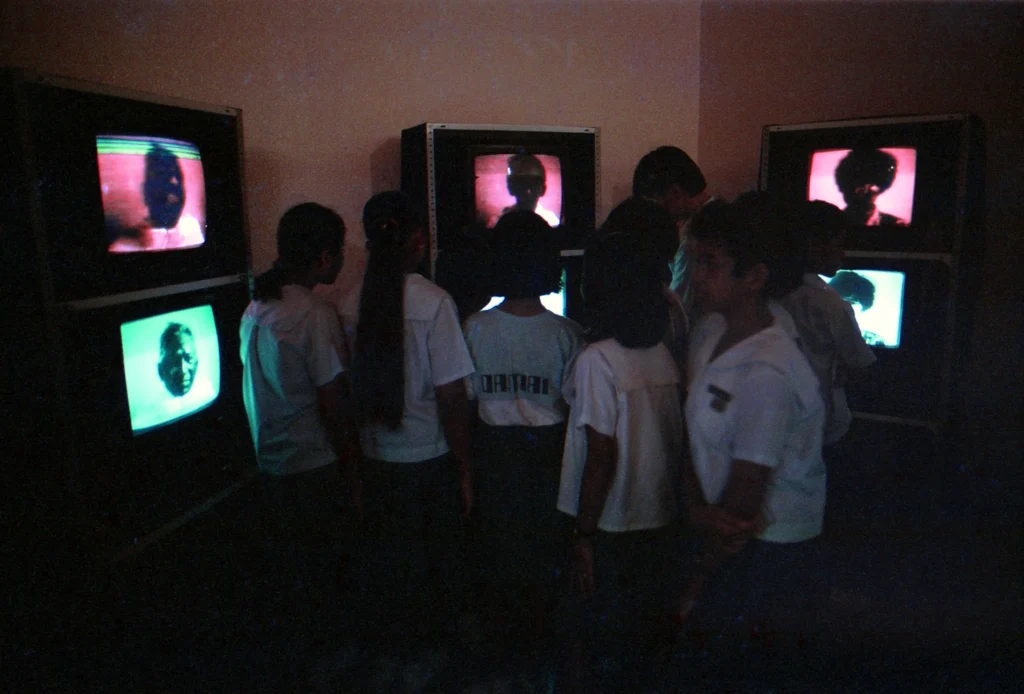
Many know Dr Chng Nai Wee as an accomplished ophthalmologist, but his artistic journey began long before medicine became his profession. One of Southeast Asia’s early pioneers of multi-channel video installation, Dr Chng first gained recognition with Sin of Apathy, first exhibited in 1991 and now part of the National Gallery Singapore’s collection. His contributions to Singapore contemporary art were further recognised with the Dr Tan Tsze Chor Art Award in 1995 and the prestigious Young Artist Award in 1999. Over the years, his practice has continued to evolve at the intersection of technology, science, architecture and contemporary art.
What fascinated me most was hearing how his medical profession has never replaced his artistic identity. Instead, the two have become inseparable. Even while working as a doctor, he continues to think like an artist, constantly observing patterns, systems and invisible structures that later find expression in his sculptures and installations.
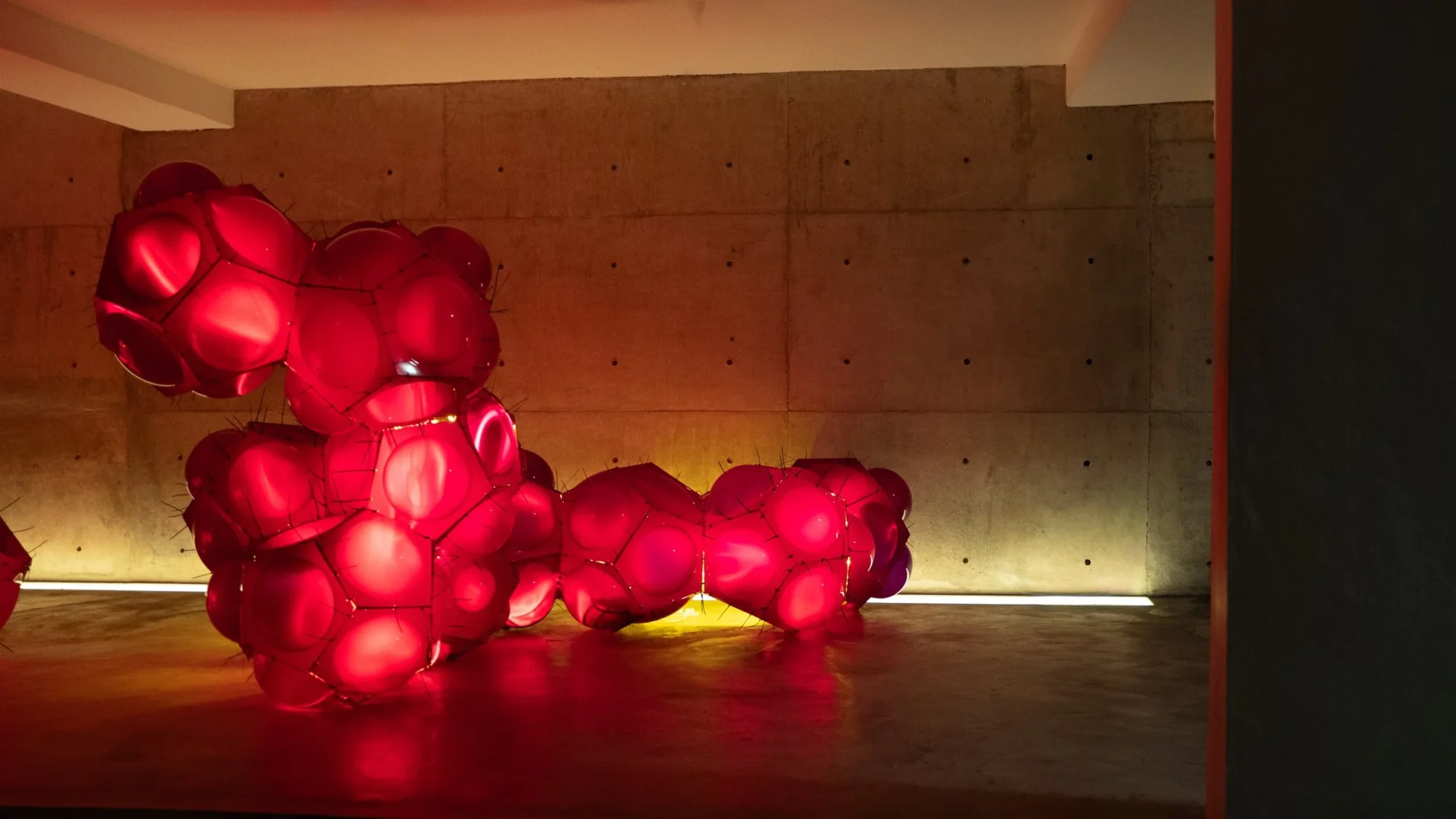
Throughout Intermission, microscopic worlds are magnified into monumental forms. Molecular structures, cellular geometry and biological systems become elegant sculptural installations that occupy architectural space. Drawing inspiration from the unseen world of medicine, biology and the cosmos, these works invite viewers to contemplate the hidden frameworks that underpin both the human body and the universe around us.
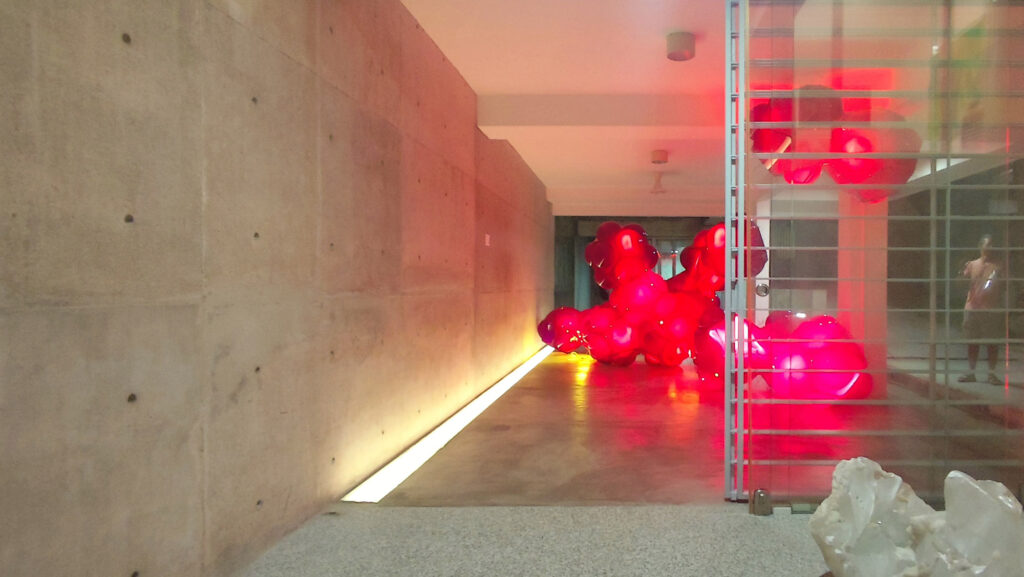
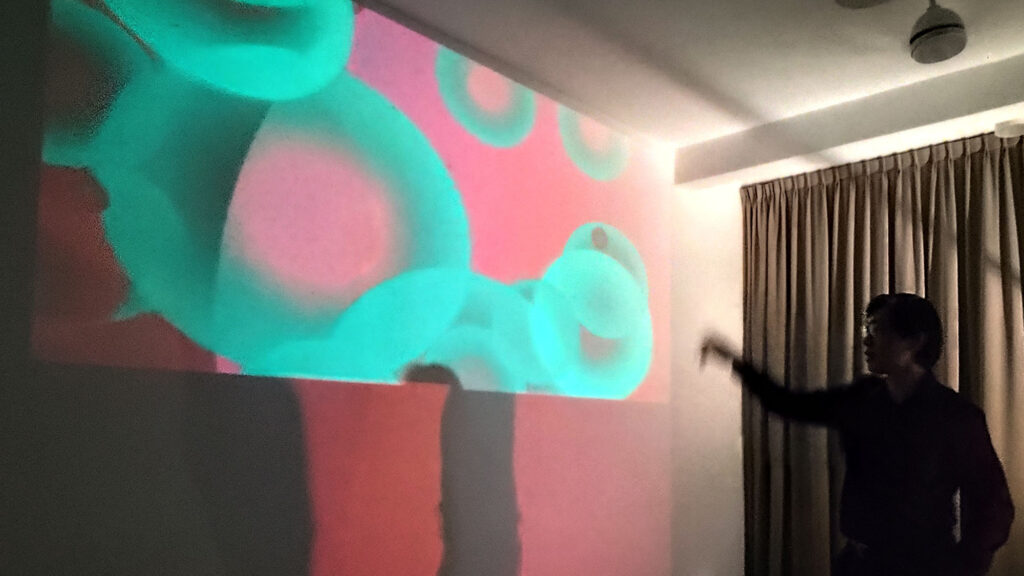
This intersection between medicine and art extends beyond biology. Dr Chng’s interest in systems also manifests in MarketForces; Contemporaneous Action in Technology, an installation that translates real-time NASDAQ data into an evolving video work. Here, financial markets become living visual organisms, reflecting the interconnected relationships between technology, economics and human behaviour.
Equally engaging is Like or Not?, a playful sculptural installation featuring the durian and the housefly. Beneath its humour lies a thoughtful reflection on everyday Singaporean iconography, inviting audiences to reconsider the familiar through fresh perspectives.
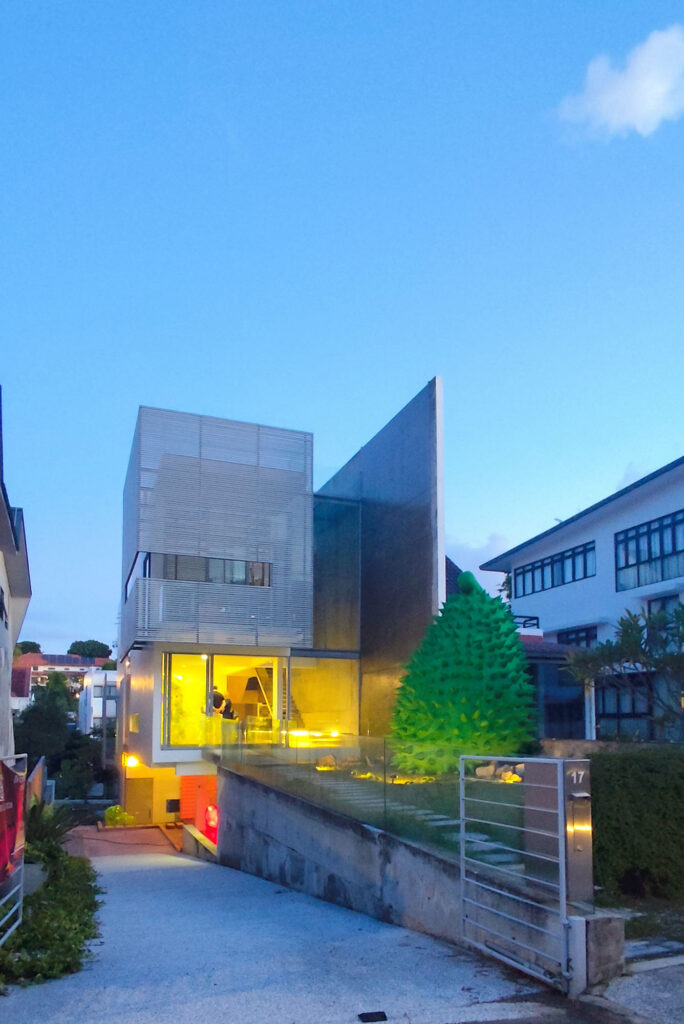
The exhibition is made even more meaningful by its setting. Waterwall House, a striking brutalist-inspired residence designed by Dr Chng and built by WOHA, is itself a work of art. Inspired by the movement of water, the house unfolds through cascading waterfalls, reflective pools and carefully choreographed spaces that blur the boundaries between architecture, landscape and contemplation. Intermission also marks the final public celebration of this extraordinary home before it passes on to its new owners.
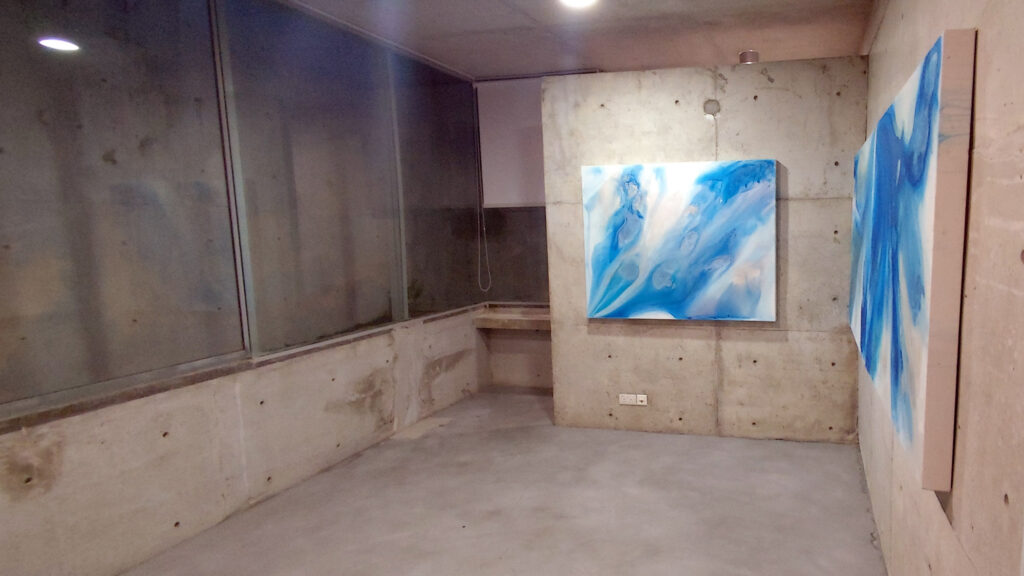
What stayed with me after our conversation was not simply the artworks themselves, but Dr Chng’s relentless curiosity. Whether discussing medicine, architecture, technology or sculpture, his thinking is driven by exploration and the pursuit of understanding unseen systems. It is a reminder that contemporary art can emerge from scientific observation just as naturally as it can from emotion or personal experience.
I left Waterwall House feeling inspired and hoping our paths cross again. There is still so much more to learn from an artist whose practice demonstrates that science and art are not opposing disciplines, but complementary ways of understanding the world.
Intermission by Dr Chng Nai Wee was previously on view at Waterwall House, 17 Namly Place, Singapore.